Showing posts with label gujarati food. Show all posts

Friday, 8 February 2013

An ode to Manjula's Kitchen

- Have you seen this website?
- I'm not sure about the handwo recipe, I use more ginger in mine
The other day, at a family party, my cousins and I had a bit of a bonding moment over Manjula's Kitchen.  One of my cousins exclaimed "What?  You've heard of it?  Is it famous?"  As I said to him at the time, no, it isn't, it's only famous amongst young East African Gujaratis living in this country who were, at some point, vaguely shown how to make their favourite Gujarati dishes by their mothers/aunts/grandmothers/random visiting "aunties" but have no idea how to actually make them.

It is a truth, universally acknowledged, that when you google for your favourite Gujarati recipe from childhood, the first hit is Manjula's Kitchen.  Which is brilliant because it actually gives you the recipe that you want.  There are some great Indian cooking websites and blogs out there but, almost without exception, they tend to provide you with something that is slightly different to what you were looking for (if you are a UK dwelling East African Gujarati).

Now, I think South Indian food is fantastic, and Mumbai street food is some of my favourite food (like all Gujaratis, I think Punjabi food is too oily, though, sorry to any Punjabi readers), but sometimes I just want the recipe for the dish that I grew up eating.  Almost invariably it's something that my nanima or my mother showed me how to make "oh, it's so easy you just have to remember the lemon juice" and then I start to think about making it and realise that I know all about the critical importance of the lemon juice but have no idea what sort of flour to use.

I do post the odd Gujarati food recipe from time to time, and I hope my readers enjoy them but - really - Manjula is the real deal and you should head over there and check out her site.

Sunday, 3 February 2013

Afghan aubergines with yoghurt

Afghan aubergines with yoghurt
I've been enjoying Sally Butcher's book Veggiestan which we have out from the library at the moment and am - as regular readers will doubtless be aware - rather easily persuaded into trying any recipe that involves fried aubergines.

There are two things, though, that really irritate me about the book: 
  • firstly, that it is randomly patronising at times "if you don't have a lid, you can improvise one with foil", really?  really?! thank you so much for that tip, it's changed my culinary life, I would not at all have figured that out under my own steam... ; and
  • secondly, as knowledgeable as the author seems to be about Middle Eastern food, she seems to be almost entirely unaware of its connections to Indian food.  For instance, she has a whole page on how drinking a salty, yoghurty drink is uniquely Iranian, *cough* salted lassi *cough*. Gujarati and Afghani food, especially, have a lot in common.  I learned a while back that there's strong historical evidence that my sub-caste (Lohana) are from Afghanistan originally, which I sometimes ponder when making recipes like this one which clearly are extremely Indian in flavours.

Basically, you fry some aubergines:
Frying aubergine slices
Add tomatoes, onions, chilli, coriander and tumeric and simmer for about 30 minutes, adding water if you need it:

Fried aubergine slices with tomatoes, onions, coriander and
chilli
Fried aubergine slices with tomatoes, onions, coriander and
chilli
Fried aubergine slices with tomatoes, onions, coriander
and chilli after 30 minutes of simmering

Layer it in a dish with the yoghurty sauce (yoghurt, lemon juice, garlic and mint - basically raita *cough* Sally Butcher..) and serve either hot or at room temperature.  Both myself and the lovely spouse thought it tasted even better the next day.
Afghan aubergines with yoghurt


Wednesday, 29 August 2012

Shak (curry) innovation - paneer, potatoes, broccoli and red pepper

I am not usually very innovative in my shak combinations.  I tend towards the traditional combinations that I was taught.  For example, I usually cook paneer with either spinach or peas (not both together).  But, for some reason, the other day, I decided to branch out and go for a new combination:  paneer, potatoes, broccoli and red pepper. 


The different textures made it quite interesting but, if I made it again, I think I'd ditch the red pepper as I don't think it added much. Method of cooking as per the usual shak recipe but with the paneer and potatoes fried together for around 15-20 minutes before the rest of the vegetables added.  Used half a tin of chopped tomatoes right near the end (no earlier to avoid making the paneer soggy) because my lovely husband loves tomatoes but you could definitely skip them.

Paneer and potatoes frying


Wednesday, 8 August 2012

How to make paratha

My mother left me some paratha dough at her house the other week to make into paratha and it reminded me of how easy they are to make.  For those not in the know, paratha are a type of Gujarati bread, similar to rotli/chappati but fried. 

This is what the dough should look like
To make the dough, all you need is flour, vegetable or sunflower oil, and water.  I used a 50:50 mix of plain flour and chappati flour but you can do all plain flour or all chappati flour as you prefer.  To mix the dough, you put some flour in a bowl, mix in some oil (for every three cups of flour, about a tablespoon of oil), then gradually add warm water until it looks like dough (as per photo).  I find the best way to do this is to mix with your right hand and keep your left hand clean to pour in more water. 

You can put other things in the dough, if you like - e.g. very finely chopped onion or coriander - but, if you do do this, my advice is not to get too carried away, too much stuff and the dough will fall apart.

paratha rolled out
Having made the dough, if you can leave it for a few hours, that will make them taste better but it's not a big deal if you don't.  Roll them into circles, about the thickness of a ten pence piece.  In order for them not to stick to the surface you're rolling on to and/or your rolling pin, use a bit of flour on your rolling pin and toss the balls in flour before you start rolling them. 

paratha cooked


Heat a little oil in a frying pan (you don't need much) and, when the pan is hot, but not ridiculously hot, fry each paratha on both sides.  It should take no more than about a minute to fry each one - if it's taking you longer than that, your pan isn't hot enough, if it's taking you less time than that, your pan is too hot. 


Nice pile of paratha
Paratha last two or three days in the fridge and you can also freeze them.  If you do freeze them, the best way to reheat them is to do it in a non stick frying pan (without oil, unless you feel you need it to stop them sticking) as then they heat through properly.

Tuesday, 12 June 2012

Gujarati kitchari

I notice from my stats page that a lot of people seem to come here searching for a Gujarati kitchari recipe, I think because of this post about kosheri which references the differences between it and kitchari.  I feel a bit bad about these people who must be very disappointed to think that they've found a recipe for Gujarati kitchari but have actually found a post rambling about an Ottolenghi recipe and its similarity to a Gujarati recipe that I don't give!

So, I thought I'd post about Gujarati kitchari.  It's such a simple recipe that it barely qualifies as a recipe, really, but here we go.  The purpose of kitchari is as an alternative to rice or Indian bread products (chapati, thepla, puri, nan, paratha, etc) to have with shak (curry), it is a bland backdrop to the star dish.  I love it - it is easy, comforting, versatile (I will come on to what you can do with the leftovers).

Essentially, kitchari is split lentils (split mung beans are traditional but other split lentils work too),  rice that soaks up a lot of water (pudding or risotto/paella rice for preference but ordinary basmati rice is ok in a pinch but isn't as satisfyingly stodgy), ghee/butter (or oil if you really don't have ghee/butter or are vegan), cooked up together.  You can make it in a pressure cooker if you're in a hurry (but remember that the point is for it to be cooked well and end up slightly mushy, so set it for longer than you would usually for lentils or rice; you can use a slow cooker if you want to make it overnight; you can do it on the hob (in about 30-40 mins).  I don't have a pressure cooker so I usually make it in the slow cooker or, sometimes, on the hob.

Photo from http://www.learningherbs.com/
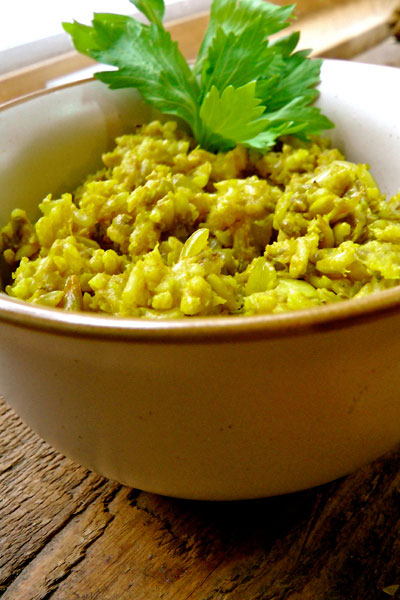
You want equal quantities split lentils and rice (I do this by just alternating handfuls of each, roughly you can expect that each person will eat two handfuls worth if kitchari is your only starch or one handful worth if you're also doing bread of some kind) and about a tablespoon's worth of ghee/butter per handful, plus about half a teaspoon's worth of salt per handful.  Then, using your chosen method - hob, pressure cooker, slow cooker - you want to cook it until it's really very cooked and the lentils and the rice are kind of one amorphous blob.  The consistency is that of porridge, really.  I'll put up a photo of my own next time I make it but in the meantime the photo to the right indicates the consistency that you're looking for.

It's good to make shak with it that's more on the liquidy side so that the juices run into the kitchari and make it nice and tasty.  In particular, tomato shak is lovely with this.  It's made in the same way as normal shak but with a few changes:  it needs a bit of sugar (about a teaspoon for every eight small tomatoes), it needs more garlic than normal (I'd add six cloves to shak for 3-4 people), a bit of lemon juice is good in it, as is coriander, and sev sprinkled on top is fab.

I never worry if I've made extra kitchari because it's pretty useful in the leftover department.  You can eat it on its own with natural yoghurt for breakfast - when it plays the role of porridge, you can curry it (following the instructions for shak, just with kitchari instead of vegetables), you can make a great Indian left over dish called muthia with it (which I'll post about properly another time..)

Tuesday, 1 May 2012

A couple of articles I read this week

I read a couple of interesting articles on Indian vegetarian food this week.  Very different, though!

The first was an utterly charming restaurant review from the Telegraph on their restaurant critic's visit to the vegetarian restaurant in Neasden Temple.  So nice to see the food of my childhood/family described so well.  I thoroughly recommend to anyone who likes Indian food or vegetarian food a trip up to the many delightful Gujarati restaurants in North London. 

The second was an article about "food fascism" in India and the covert way that people eat beef.  I'm not quite sure what to make of it.  On the one hand, I am firmly in favour of secularism and I don't approve of imposing your religious beliefs on other people.  But I do agree with a couple of comments that make the point that, somehow, Hindu beliefs about beef and meat in general just don't get taken as seriously as Muslim or Jewish food beliefs.  The tone of things "holy cow" in inverted commas and saying things like "vegetarianism in India is a load of bull" is just not like the sort of tone that gets taken when Jews talk about keeping kosher or Muslims talk about halal.

Thursday, 12 April 2012

Gujarati dinner - shak, rice, kadhi

At the weekend, I had a bit of a craving for kadhi, which is a Gujarati spiced yoghurt soup.  It is warming and comforting and tasty.  Since it isn't really a meal on its own, I made some shak and rice to go with it too

Shak, rice and kadhi
 In Gujarati, there is no word for "curry". You would use exactly the same word to refer to "vegetables" in the generic sense as you would for "curry" - there is no other way of eating vegetables. The word in question is "shak" which I find easier to use in this context. Shak is not vegetables in a sauce, shak is not any one particular dish, shak is just what happens when you do some stuff to some vegetables.

Basic Gujarati recipe - you alter this depending on what you're cooking, e.g. spinach and chickpeas both need more tumeric than most veg -

Heat up 2-3 tablespoons of oil with some mustard seeds and cumin seeds - about a heaped teaspoon of each
When they start popping, put in your veg.
Let it cook
Add some tomatoes if you want and/or some water if it's a bit dry
Spice with 3-4 teaspoons of ground cumin/coriander mix (I've tried to do this with the two individual spices but it never tastes right), a 1/4 teaspoon ot tumeric and red chilli powder/fresh chillis to taste.
Optional: garlic, ginger, fresh coriander, lemon juice, sugar. Garlic and fresh coriander should go in at the last minute though to avoid losing the flavour during cooking.

I made aubergine and pea shak, which was pretty tasty.  Lots of garlic!

Just  shak
 The kadhi turned out pretty good, though it was a bit spicy for my long suffering husband!

Recipe:

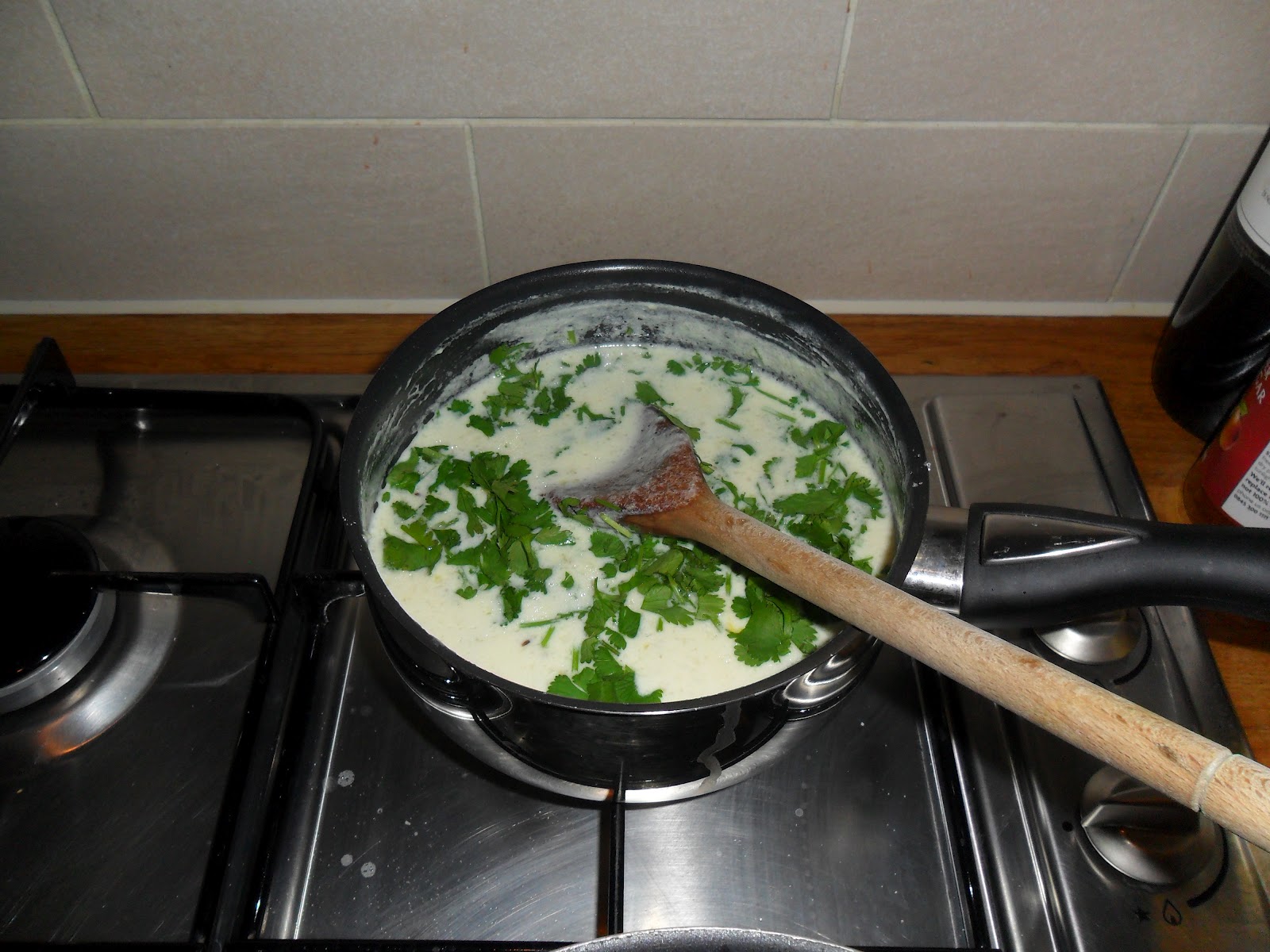
Mix a cup of yoghurt and a cup of water together, mix in a couple of tablespoons of gram flour, bring it to a boil.  In a separate pan, heat some mustard seeds and cumin seeds with some oil.  When it starts popping, pour it into the yoghurt mixture.   Add ginger, chilli, salt to the mixture and a small amount of sugar.  Fresh coriander on top is tasty.  But that applies to anything!

Basically, the only way to go wrong is to let it split, which will only happen if you don't stir it enough.  If it somehow splits on you anyway, you can sometimes ressurect it by liquidising it, though that is not recommended a) because it doesn't always work and b) because it means you have to wash up the liquidiser!

Just kadhi
On lazy Sundays, I buy lots of fresh ginger and chillis, whiz them in the food processor and freeze them in ice cube trays, which really speeds up recipes of this sort.